Why Is My House So Dusty Even After I Clean?
You cleaned every shelf, vacuumed the floor, and somehow the dust came right back. This guide explains where that dust is coming from, how your HVAC system may be helping it move, and what to check before you spend money on the wrong fix.
Take control of your indoor air quality.

You wipe the table clean. Two days later, you can write your name in the dust again. It feels like the house is fighting back...but it probably isn’t a cleaning problem. Cleaning removes dust that has already landed. It doesn’t stop new dust from being made, pulled inside, or moved from one room to another. When I look at a dust problem, I ask two things: Where does it start, and how is it moving?
The Short Answer
Your house stays dusty because dust has a steady source and an easy way to move. It may come from people, pets, carpet, bedding, outdoor soil, or gaps in the home. If air slips around the filter or leaks into a return duct, your heating and cooling system can carry that dust around.
Most dusty homes have more than one cause. That means one new filter won’t always solve it.
What Is Household Dust Made Of?
Household dust isn’t just dirt. It can include fabric fibers, skin cells, pet dander, hair, pollen, mold spores, soil, and dust mite waste. The mix changes by home, season, and room.
The EPA explains that walking, sweeping, dusting, and vacuuming can lift settled dust back into the air. So yes, cleaning can briefly make the air dustier. You can’t remove every speck forever. The goal is to slow the sources and capture more particles.
1. Air May Be Slipping Around Your Filter
An air filter only works on air that passes through it.
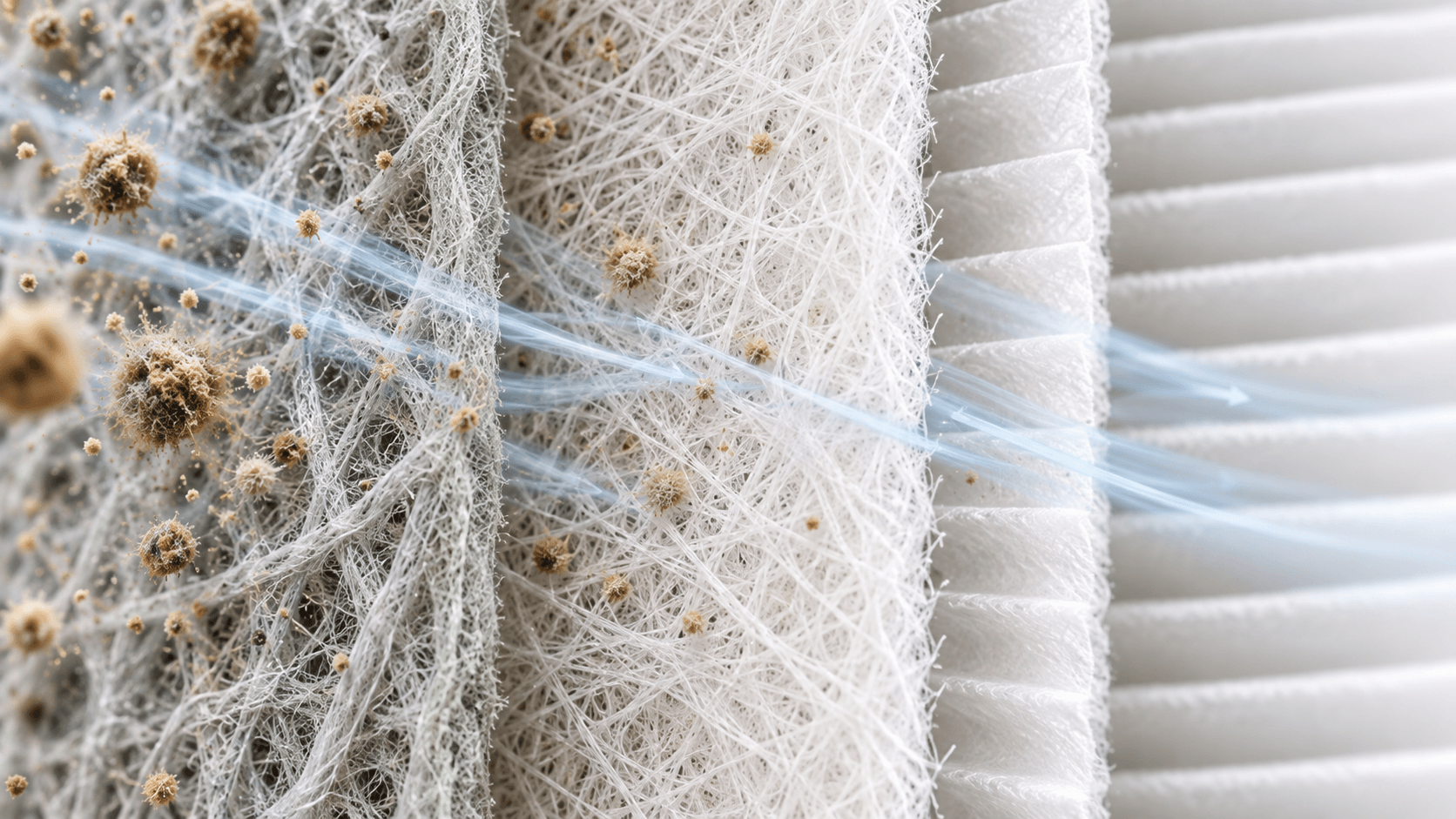
If the filter is too small, bent, backward, or loose in the rack, air can go around its edges. This is called filter bypass. Gaps in the cabinet or a loose cover can do the same thing. The blower pulls air through the easiest path...and an open gap is easier than a filter.
Check that the size printed on the filter matches the slot. Its arrow should point toward the blower. With the system off, look for dark dust trails around the rack. Those trails can point to bypass.
A dirty filter can also hurt airflow. ENERGY STAR says to inspect it each month during heavy-use seasons and replace it when dirty. Three months is a general maximum, not a promise. Kids, pets, or remodeling can fill one much faster.
2. The Filter May Be Too Weak or Too Restrictive
A thin, low-efficiency filter may catch lint while letting smaller particles pass. A higher MERV rating catches smaller particles, but don’t grab the highest number on the shelf and call it fixed.
Your system still needs airflow. A dense 1-inch filter may create too much resistance, especially after it gets dirty. A deeper media filter may work better because it has more surface area. The EPA recommends MERV 13, or the highest-efficiency filter the fan and slot can handle. If you’re unsure, have airflow and pressure checked.
Also remember that the filter can’t catch dust sitting on a shelf. The particle must become airborne, reach a return, and pass through the filter first.
3. Return Duct Leaks Can Pull in Dirty Air
The return side of your HVAC system sucks air in. If a return duct has a loose joint in an attic, crawl space, garage, or wall cavity, it can pull in dust and insulation.
That air may miss the filter, depending on where the leak is. Then the blower sends it into the rooms. ENERGY STAR notes that duct sealing can reduce the chance of dust, insulation, and other pollutants entering the system.
Supply leaks matter too. They waste air and change house pressure. Outdoor or attic air may then get pulled through other cracks.
Dust near a vent doesn’t prove the duct is dirty. A gap around a return grille may pull debris from a wall or attic. Dark lines around a supply grille can also be room dust sticking to the nearby surface. A black mark is not an automatic mold diagnosis, no matter what a scary social media post says.
4. Pets and Carpet Keep Feeding the Dust Loop
Pets add hair, dander, and whatever rides inside on their paws. A short trip through the yard can bring in soil and pollen. Grooming helps, but your dog is still going to be a dog. Fair enough.
Carpet and rugs catch that material, but they also become storage spots. Walking, playing, and vacuuming can kick some of it back up.
Use a sealed vacuum with a HEPA exhaust filter. Move slowly over carpet, clean under furniture, and wash pet bedding. If the vacuum smells dusty, check its bag, seals, and filters. One that blows dust out the back is basically a tiny leaf blower with better branding.
5. Outdoor Air Is Getting in
Outdoor dust enters through open windows and doors. It also leaks through worn seals, attic hatches, plumbing openings, and gaps around window frames.
Exhaust fans and dryers push air outside. Replacement air has to come from somewhere. In a leaky home, it may enter through the dustiest cracks.
Look at where dust gathers. Grit near a door points toward tracked-in soil. Dusty window sills may point toward leaks or open windows. Seasonal spikes may follow pollen, construction, harvest, smoke, or dry weather.
Use entry mats, remove shoes, close windows on smoky or high-pollen days, and replace worn weatherstripping. Don’t seal a home tight and forget ventilation. Reduce uncontrolled leaks, then bring in outdoor air in a planned, filtered way.
6. Normal Life Makes Dust Every Day
People shed skin and hair. Clothes, towels, blankets, paper, and furniture release fibers. Making a bed sends lint into the air. Kids run through the room. Someone drops a cracker. It somehow reaches places no human hand can reach.
More people and activity mean more dust. Dry dusting and sweeping can push it around. Use a lightly damp microfiber cloth, clean from top to bottom, and vacuum last. Wash bedding and clean fan blades, return grilles, curtains, and furniture.
Humidity changes how dust behaves, but a humidifier isn’t a universal fix. Avoid condensation. Too much moisture can support dust mites and mold, which is worse than a dusty TV stand.
How to Find the Main Cause in Your Home
Don’t start by buying five gadgets. Start with a simple check.
- Install the correct filter and write the date on it.
- Make sure it fits snugly and the access cover closes.
- Clean one dark, smooth surface and check it daily for a week.
- Note whether dust is worst near vents, windows, carpet, or entry doors.
- Watch whether buildup gets faster when the HVAC fan runs.
- Check accessible ducts for loose joints or damage. Don’t enter unsafe spaces.
- If the pattern points to the system, ask for duct-leak testing and an airflow check.
This gives you evidence. Without it, you may buy a purifier, duct cleaning, or expensive filter without fixing the dust path.
Do Dirty Air Ducts Need to Be Cleaned?
Sometimes. Just not every time a shelf gets dusty.
The EPA says research has not shown that routine duct cleaning prevents health problems or reliably lowers particle levels. Much of the dust inside a duct stays stuck to it.
Cleaning may make sense with heavy debris, pests, or confirmed mold growth. If a return leak keeps pulling in attic dust, sealing it matters more than cleaning the same duct again. Clean without seal...and the dust gets a return ticket.
Will an Air Cleaner Fix a Dusty House?
A good portable or whole-home air cleaner can reduce airborne fine dust, pollen, smoke, and pet dander. It won’t stop soil at the door, fix a duct leak, seal a filter rack, or vacuum the carpet.
I look at the whole system: sources, leaks, filtration, airflow, humidity, and cleaning. An air cleaner can be part of the answer. It isn’t the whole answer.
The Bottom Line
If dust returns after you clean, don’t clean harder. Find where it starts and how it moves. Check the filter fit, not just its label. Look for return leaks. Watch pets, carpet, doors, and windows.
Once you slow the sources and close bypass paths, better filtration has a fair chance to work. That is how you reduce dust for more than a day...without wiping the same table all weekend.